
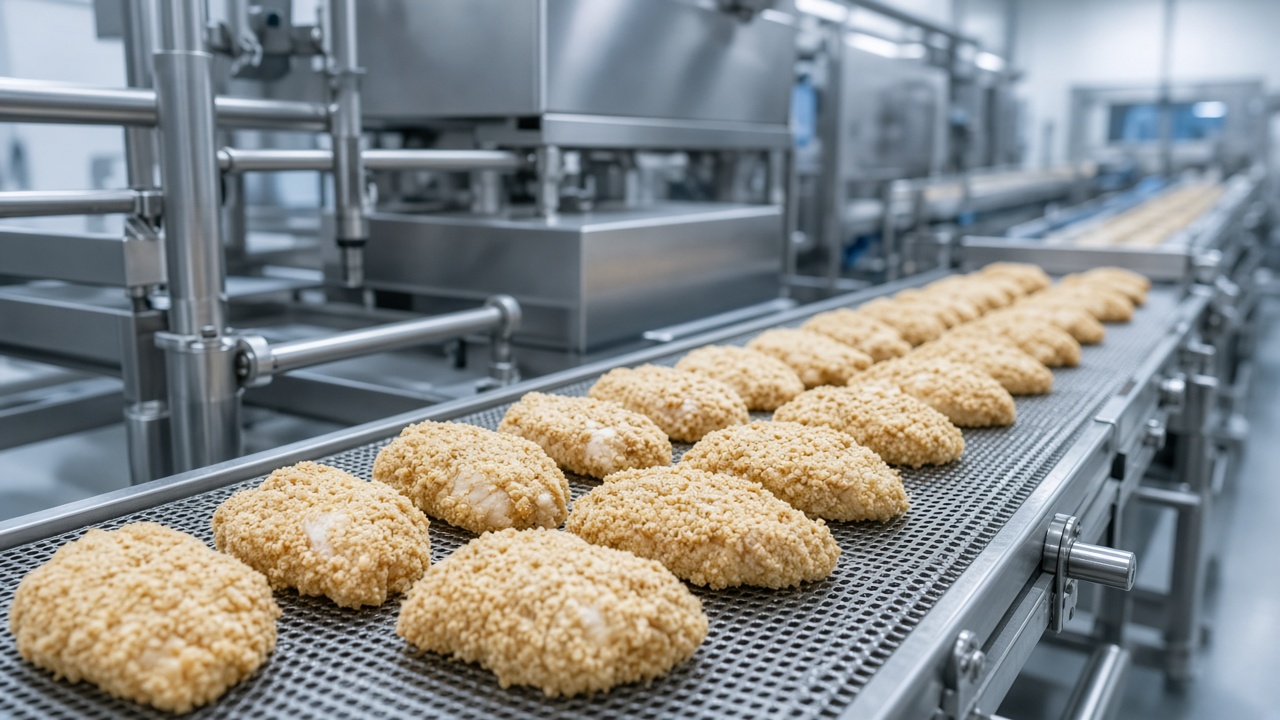
A hundred-year-old chicken company finds a new home
Brakebush Brothers stayed in family hands through three generations and a century of growth. Hormel is paying just over $1 billion to become the fourth.
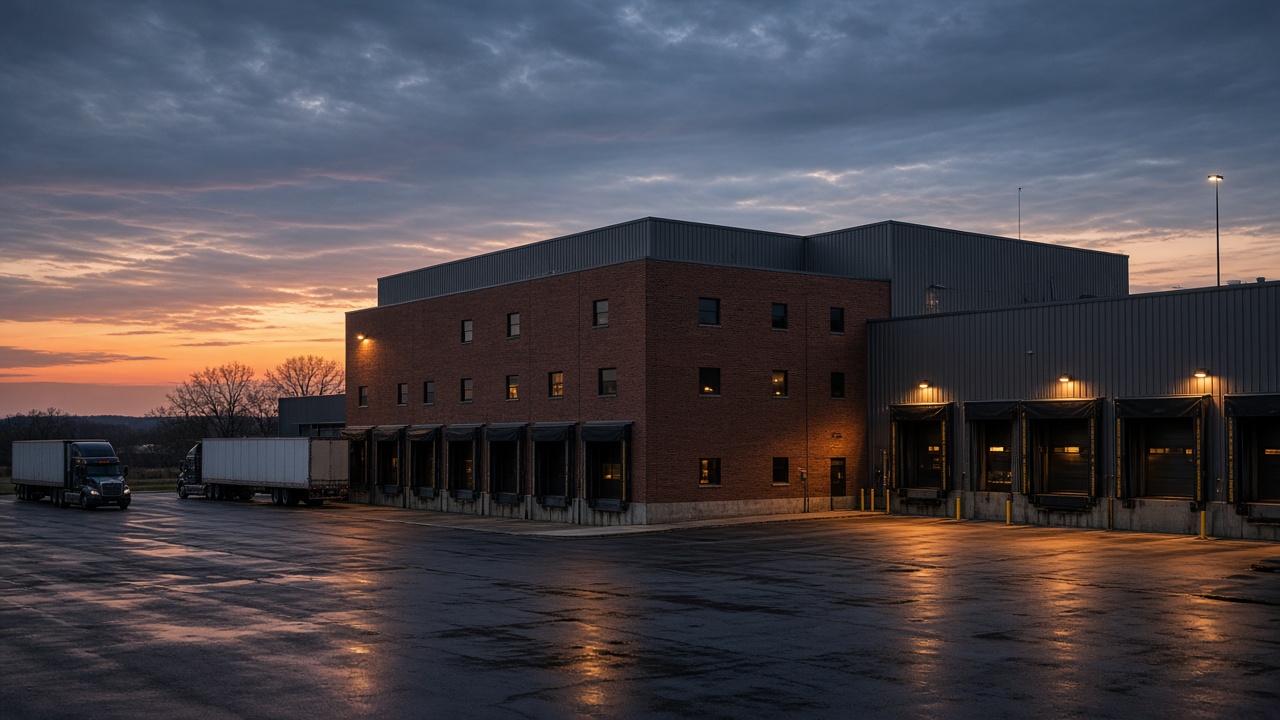
Westfield, Wisconsin, where Brakebush has operated since 1925.
On 30 September 2026, Hormel Foods announced a definitive agreement to acquire Brakebush Brothers, a value-added chicken producer based in Westfield, Wisconsin, from Brakebush Holdings, Inc. for a base purchase price of approximately $1.055 billion in cash, subject to customary adjustments.
Brakebush has been family-owned since its founding in 1925. It is not vertically integrated the way the largest US poultry producers are: it buys live birds and raw material rather than raising them itself, and instead focuses on further processing, breading, marinating and portioning chicken for foodservice and retail customers.
The deal is structured as a purchase of all outstanding membership interests in Brakebush Brothers, LLC. Hormel expects to close during the first quarter of its 2027 fiscal year, subject to clearance under the Hart-Scott-Rodino Antitrust Improvements Act and other customary conditions.
Brakebush brings a complementary value-added chicken platform, deep foodservice relationships and a century of family stewardship to Hormel’s portfolio.
Below, we set out what was agreed, who Brakebush is, why Hormel wanted it, how the price compares to recent protein deals, and what has to happen before the deal can close.
The deal in five points
Research cut-off 30 September 2026. Facts below are drawn from Hormel Foods’ announcement and Form 8-K unless marked otherwise.
- 1
Hormel Foods agreed on 29 September 2026 (announced 30 September) to acquire Brakebush Brothers, LLC from Brakebush Holdings, Inc. for a base purchase price of approximately $1.055 billion in cash, subject to customary adjustments.
- 2
Brakebush is a family-owned, non-vertically integrated value-added chicken producer founded in 1925 in Westfield, Wisconsin, operating five production facilities and two research and development labs.
- 3
Brakebush generated approximately $1.2 billion in net sales over the trailing twelve months, according to Hormel’s announcement.
- 4
Hormel expects the acquisition to be accretive to adjusted earnings per share beginning in its 2027 fiscal year, and more meaningfully in fiscal 2028.
- 5
The deal is expected to close during the first quarter of Hormel’s fiscal 2027, subject to Hart-Scott-Rodino clearance and other customary closing conditions. Either party may terminate if the deal has not closed by an outside date of March 29, 2027, which extends automatically by three months in specified circumstances tied to outstanding regulatory approvals.
Key facts
- Purchase price Disclosed
- $1.055bnBase purchase price in cash, subject to customary adjustments at closing
- Structure Disclosed
- Equity purchaseHormel acquires all outstanding membership interests in Brakebush Brothers, LLC
- Seller Disclosed
- Brakebush HoldingsThe Brakebush family’s holding company
- Target net sales Disclosed
- ~$1.2bnTrailing-twelve-month net sales, as disclosed by Hormel
- Signed Disclosed
- 29 Sep 2026Definitive Membership Interest Purchase Agreement
- Expected close Disclosed
- Q1 FY2027Subject to HSR clearance and other customary conditions
- Outside date Disclosed
- 29 Mar 2027Automatic three-month extension available for outstanding regulatory approvals
- EBITDA multiple Undisclosed
- UndisclosedNeither party has published Brakebush’s EBITDA, so no multiple can be calculated
- Disclosed
- Stated by a party to the transaction
- Reported
- Press or data-provider figure, not company-confirmed
- Calculated
- Derived by Acquiry from disclosed or reported inputs
- Illustrative
- Hypothetical or reader-supplied input
- Undisclosed
- Not public and not estimated
The numbers behind the deal
Each figure has its own permanent link and a ready-made citation. Journalists, analysts and researchers are welcome to quote them with credit and a link to Acquiry.
- $1.055bnDisclosed
Base purchase price Hormel agreed to pay in cash for Brakebush
Subject to customary adjustments at closing.
- ~$1.2bnDisclosed
Brakebush’s net sales over the trailing twelve months
As disclosed in Hormel’s announcement. Brakebush does not otherwise publish financial statements.
- UndisclosedUndisclosed
Revenue or EBITDA multiple implied by the price
Neither company has disclosed Brakebush’s EBITDA, so a multiple cannot be calculated from public information.
- 5 + 2Disclosed
Production facilities and R&D labs Brakebush operates
Across its value-added chicken business.
- 1925Disclosed
Year Brakebush was founded
Westfield, Wisconsin; family-owned for more than a century prior to this sale.
- 23%Calculated
Brakebush’s price against the 2021 Cargill/Sanderson Farms deal
$1.055bn against $4.53bn. Sanderson was a much larger, fully vertically integrated broiler producer, so this is a scale comparison, not a multiple comparison.
- 29 Mar 2027Disclosed
Outside date in the purchase agreement
An automatic three-month extension is available if regulatory approvals remain outstanding.
Part I
The deal
What Hormel agreed to pay, and the century-old company it is buying.
What happened: Hormel buys a century-old chicken company
Hormel Foods agreed to acquire Brakebush Brothers from the Brakebush family for approximately $1.055 billion in cash, with closing expected in Hormel’s first fiscal quarter of 2027.

All cash, all membership interests. Hormel agreed to pay about $1.055 billion for Brakebush Brothers.
On 30 September 2026, Hormel Foods announced (opens in a new tab) a definitive agreement to acquire Brakebush Brothers, LLC, a value-added chicken company based in Westfield, Wisconsin, from Brakebush Holdings, Inc. The agreement was signed the day before and filed with the SEC (opens in a new tab) as a Form 8-K.
The base purchase price is approximately $1.055 billion in cash, subject to customary adjustments at closing. The deal is structured as a purchase of all outstanding membership interests in Brakebush Brothers, LLC, meaning Hormel acquires the whole operating entity rather than selected assets.
A family-owned chicken company, built over a century, becomes part of a public foodservice portfolio.
The seller is Brakebush Holdings, Inc., the holding company through which the Brakebush family has owned the business since its founding in 1925. Hormel has not disclosed the identities of financial or legal advisors for either side in the materials we retrieved.
- Acquirer. Hormel Foods Corporation (NYSE: HRL).
- Target. Brakebush Brothers, LLC, 100% of membership interests.
- Seller. Brakebush Holdings, Inc.
- Price. Approximately $1.055 billion in cash, subject to customary adjustments.
- Signed. 29 September 2026.
- Expected close. First quarter of Hormel’s 2027 fiscal year, subject to HSR clearance and other customary conditions.
Who Brakebush is: a hundred years of value-added chicken
Brakebush has been family-owned since 1925. Unlike the largest US poultry producers, it does not raise its own birds; it focuses on processing, breading and portioning chicken for foodservice and retail customers.
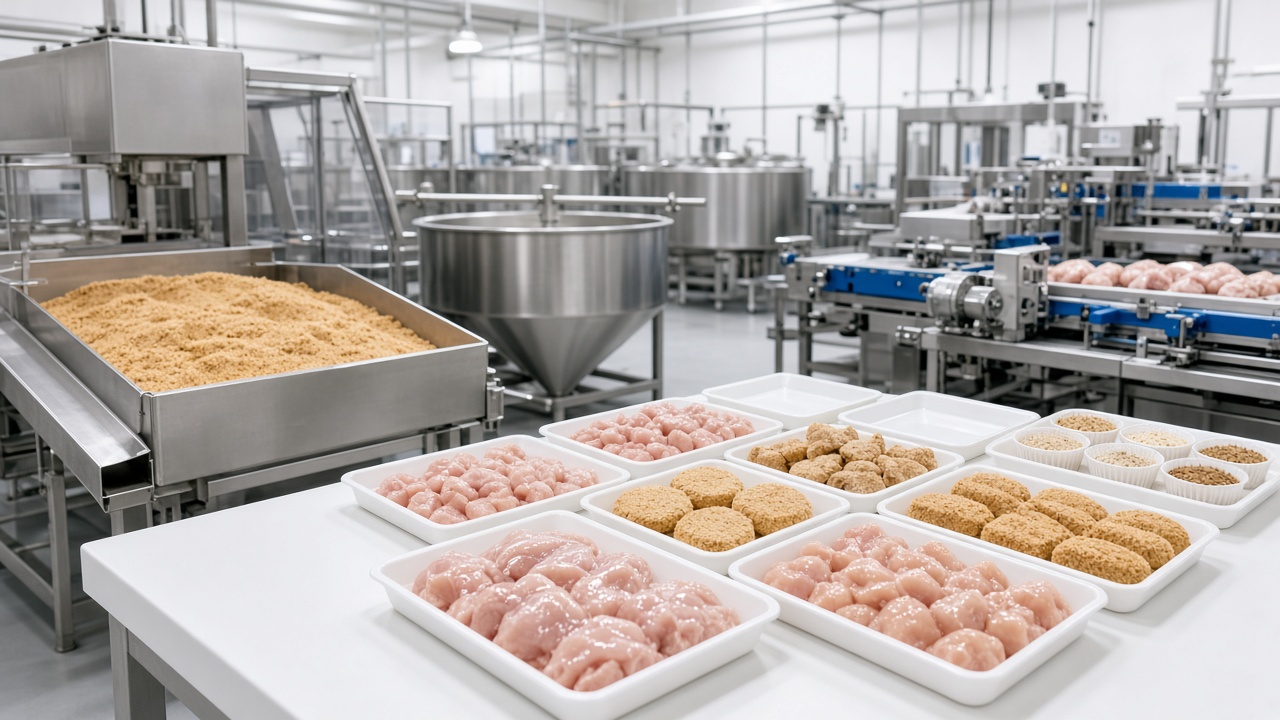
Further processing, not farming. Brakebush buys birds and raw material, then breads, marinates and portions chicken for foodservice and retail.
Brakebush Brothers was founded in 1925 in Westfield, Wisconsin, and has remained in the hands of the Brakebush family for over a century. It operates as a value-added chicken processor: rather than owning hatcheries and farms the way fully vertically integrated (opens in a new tab) poultry companies such as Tyson or Perdue do, Brakebush buys live birds and raw material and focuses its own operations on further processing.
- Non-vertically integrated model. Brakebush does not raise its own chickens. It buys birds and raw material, then applies its own breading, marinating, portioning and cooking processes. That keeps capital intensity lower than a fully integrated producer, at the cost of more exposure to live-bird and feed-cost swings.
- Foodservice focus. Hormel describes the acquisition as deepening its foodservice relationships, which points to restaurants, institutional food programs and other away-from-home channels as Brakebush’s core customer base.
- Scale. Brakebush operates five production facilities and two research and development labs, and generated approximately $1.2 billion in net sales over the trailing twelve months.
Because Brakebush has been privately held throughout its history, there is no public record of its financial statements, ownership structure beyond the Brakebush Holdings entity, or prior transaction history. Everything in this article about the company’s operations and scale is drawn from Hormel’s own characterization of the business it is acquiring.
Part II
The strategy
Why Brakebush fits Hormel’s Foodservice ambitions, and how the price compares to recent protein M&A.
Why Hormel wanted Brakebush
Hormel gets a value-added chicken platform and foodservice relationships it did not already have at this scale, and expects the deal to add to adjusted earnings per share from fiscal 2027, more meaningfully in fiscal 2028.
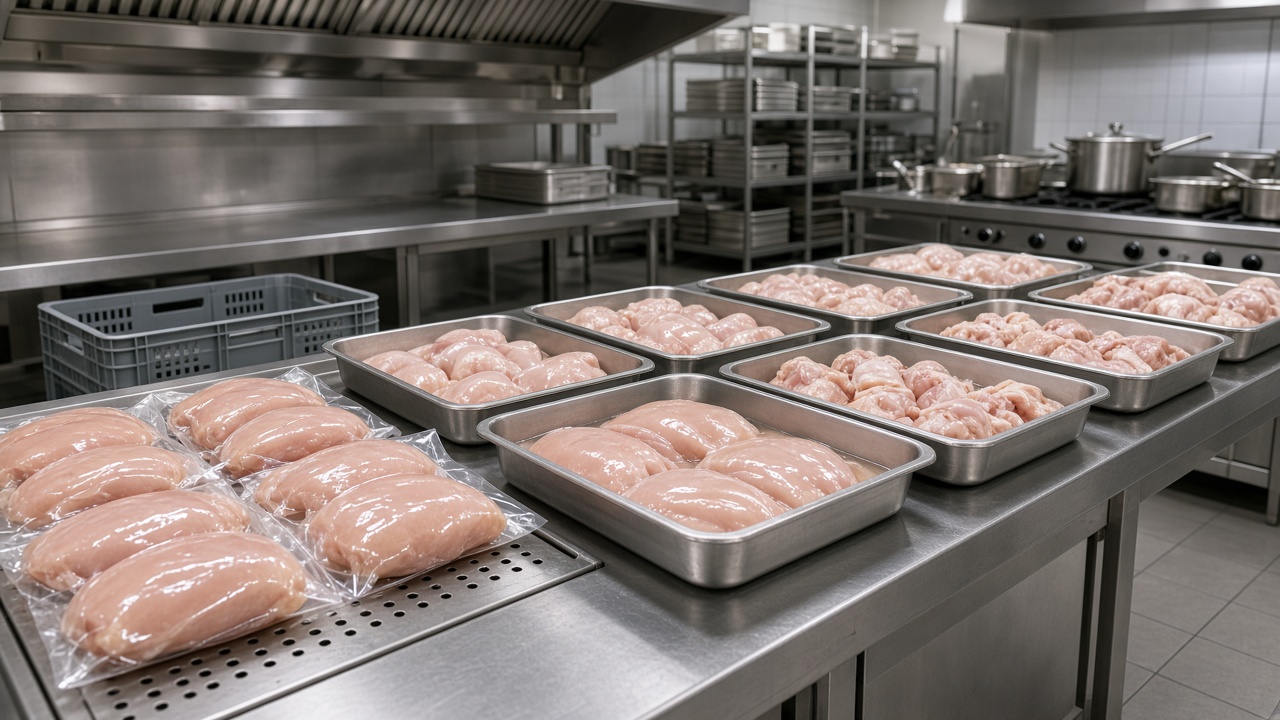
A Foodservice gap fill. Brakebush gives Hormel a dedicated value-added chicken platform and existing away-from-home relationships.
Hormel Foods is best known for shelf-stable and refrigerated brands such as SPAM, Skippy and Applegate, alongside a sizable Foodservice segment that supplies restaurants, schools and other institutional customers. Chicken, and specifically value-added, further-processed chicken, extends that Foodservice business into a protein category where Hormel has not had a large, dedicated platform.
Buying Brakebush rather than building a competing plant network gives Hormel immediate scale: five production facilities, two R&D labs, an established foodservice customer base and about $1.2 billion of existing net sales. Hormel has said it expects the deal to be accretive to adjusted earnings per share, with a more meaningful contribution from fiscal 2028, which suggests the near-term focus will be on integrating the business rather than extracting rapid cost synergies.
Hormel is not buying a bird farm. It is buying a processing and customer relationship platform.
The acquisition also follows a pattern in Hormel’s own history. In 2021, Hormel acquired the Planters snack nuts business from Kraft Heinz for a reported $3.35 billion, a deal that added an established, complementary category to its portfolio through acquisition rather than organic build. Brakebush is a smaller, more targeted version of that same playbook, aimed at a specific protein and channel rather than a whole new category.
Where this deal sits in recent protein M&A
Chicken and protein deals have ranged from about $2 billion to $4.5 billion in recent years. Brakebush is smaller and less disclosed than most of its comparables, reflecting its size and private ownership.
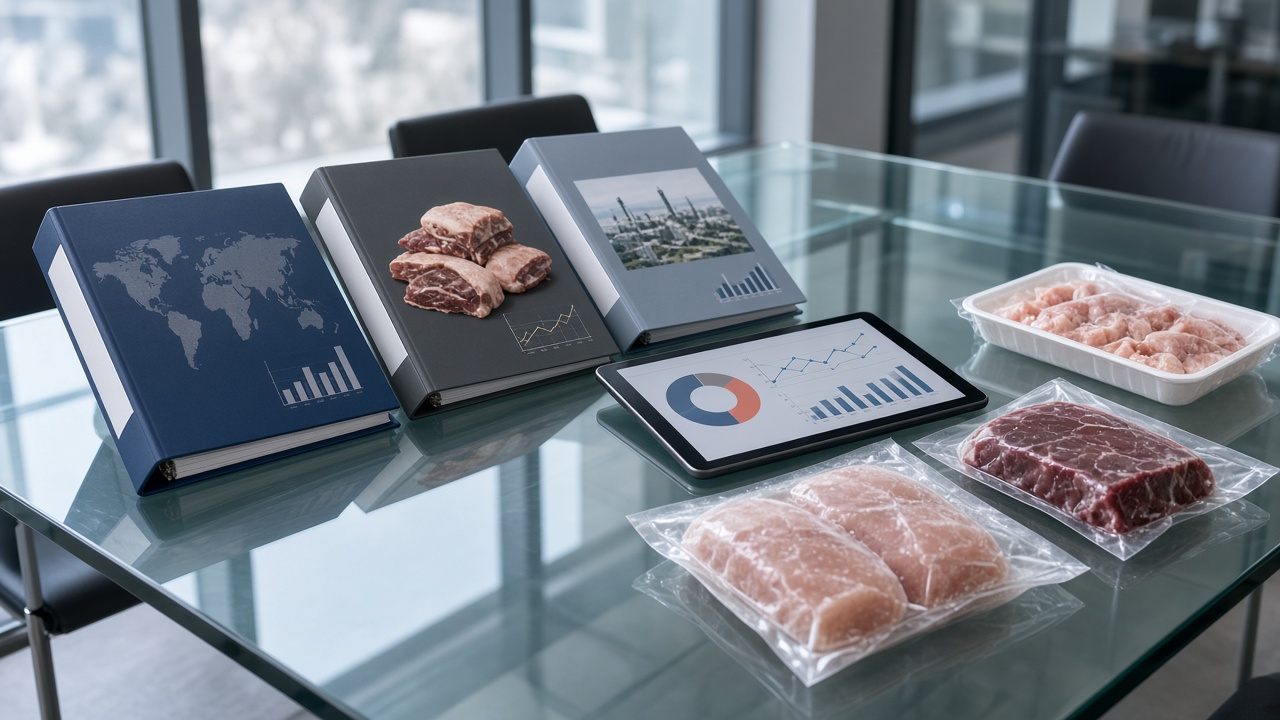
Smaller than Sanderson or Keystone. Brakebush sits below the recent $2bn to $4.5bn protein deals, consistent with its private, non-vertical model.
Large protein M&A has been a recurring theme in US food. In 2021, Cargill and Continental Grain Company agreed to acquire Sanderson Farms (opens in a new tab) for $203 per share, an equity value of about $4.53 billion, taking one of the largest fully vertically integrated broiler producers private. In 2018, Tyson Foods agreed to buy Keystone Foods, a foodservice-focused chicken processor, from Marfrig Global Foods for a widely reported $2.16 billion.
| Acquirer → Target | Consideration | What the number measures | Status | ||
|---|---|---|---|---|---|
| Sept 2026 | Hormel FoodsBrakebush BrothersThis deal | 1.055Disclosed | All cash | Base purchase price for 100% of membership interests, subject to customary adjustments. Stake: 100%. | Announced · expected close Q1 FY2027 |
| Aug 2021 | Cargill / Continental Grain (joint venture)Sanderson Farms | 4.53Disclosed | Cash, $203.00 per share | Announced equity value for a fully vertically integrated broiler producer. Stake: 100%. | Completed Nov 2021 |
| Feb 2021 | Hormel FoodsPlanters (from Kraft Heinz) | 3.35Reported | Cash | Hormel’s own prior acquisition, an asset purchase of a packaged snack nuts business. Stake: 100%. | Completed Jun 2021 |
| Aug 2018 | Tyson FoodsKeystone Foods | ~2.16Reported | Cash | Widely reported enterprise value for a foodservice-focused chicken processor bought from Marfrig Global Foods. Stake: 100%. | Completed Nov 2018 |
- Disclosed
Hormel Foods acquiring Brakebush Brothers
Sept 2026 · Announced · expected close Q1 FY2027
US$1.055bn
All cash
Base purchase price for 100% of membership interests, subject to customary adjustments. Stake: 100%.
- Disclosed
Cargill / Continental Grain (joint venture) acquiring Sanderson Farms
Aug 2021 · Completed Nov 2021
US$4.53bn
Cash, $203.00 per share
Announced equity value for a fully vertically integrated broiler producer. Stake: 100%.
- Reported
Hormel Foods acquiring Planters (from Kraft Heinz)
Feb 2021 · Completed Jun 2021
US$3.35bn
Cash
Hormel’s own prior acquisition, an asset purchase of a packaged snack nuts business. Stake: 100%.
- Reported
Tyson Foods acquiring Keystone Foods
Aug 2018 · Completed Nov 2018
US$~2.16bn
Cash
Widely reported enterprise value for a foodservice-focused chicken processor bought from Marfrig Global Foods. Stake: 100%.
Free to reference with credit and a link to Acquiry.
Against that backdrop, Hormel’s $1.055 billion price for Brakebush is modest in absolute terms, consistent with Brakebush’s smaller scale and non-vertically integrated model. Because Brakebush has been privately held, there is no prior transaction or public multiple to benchmark the price against directly, unlike Sanderson Farms, which was a long-listed public company with a visible trading history before its sale.
The comparison that matters most for Hormel is its own: the 2021 Planters acquisition showed the company is willing to pay a premium for an established, complementary business rather than build from scratch. Brakebush follows that same logic in a different category.
Part III
The path to close
Conditions, the timeline, and the risks between signing and completion.
The path to close: HSR review and a Q1 FY2027 target
Closing requires expiration of the Hart-Scott-Rodino waiting period and other customary conditions. Hormel targets the first quarter of fiscal 2027, with an outside date of March 29, 2027.

HSR first, then close. Hormel targets Q1 FY2027, with an outside date of 29 March 2027.
Signing a purchase agreement is not the same as closing. Hormel’s Form 8-K sets out the conditions that still need to be satisfied, the most significant of which is clearance under the Hart-Scott-Rodino Antitrust Improvements Act (opens in a new tab), which requires qualifying US mergers to be reported to antitrust regulators before they can close.
- 1925
Brakebush is founded
The Brakebush family starts the business in Westfield, Wisconsin. It grows over three generations into a non-vertically integrated, value-added chicken producer.
Completed · Brakebush
- 29 Sep 2026
Purchase agreement signed
Hormel Foods and Brakebush Holdings, Inc. sign a Membership Interest Purchase Agreement for all outstanding membership interests in Brakebush Brothers, LLC.
Completed · Transaction
- 30 Sep 2026
Deal announced
Hormel Foods announces the agreement, valuing the transaction at approximately $1.055 billion in cash.
Completed · Transaction
- Pending
Hart-Scott-Rodino review
Closing requires expiration or termination of the HSR Act waiting period and satisfaction of other customary closing conditions.
Expected · Transaction
- Q1 FY2027
Expected closing
Hormel expects to complete the acquisition during the first quarter of its 2027 fiscal year.
Expected · Transaction
- 29 Mar 2027
Outside date
Either party may terminate the agreement if closing has not occurred by this date. It extends automatically by three months if the only outstanding condition relates to regulatory approvals.
Expected · Transaction
- FY2028
Expected EPS accretion
Hormel expects the acquisition to be accretive to adjusted earnings per share, more meaningfully from fiscal 2028.
Expected · Transaction
Free to reference with credit and a link to Acquiry.
The agreement sets an outside date of March 29, 2027. If the deal has not closed by then, either party may terminate it, though the date extends automatically by three months if the only outstanding condition at that point relates to regulatory approvals. That structure gives both sides a defined window while protecting against an open-ended wait on antitrust clearance.
Hormel’s own guidance targets the first quarter of its 2027 fiscal year for completion, which implies the company expects the HSR process to move without major complications. Given Brakebush’s relatively modest scale and non-vertically integrated model, which limits direct overlap with Hormel’s existing protein operations, that expectation is reasonable, though not guaranteed.
Risk register: what could complicate the deal
Regulatory risk looks modest. The larger open questions sit in commodity exposure, culture integration and a customer base weighted toward foodservice.
The deal has not yet closed, so some risk remains in execution rather than in the agreement’s terms. Brakebush’s non-vertically integrated model and century of family ownership are the two features most likely to shape how smoothly the transition goes.
| Risk | What is known | Acquiry view | Severity |
|---|---|---|---|
| Regulatory clearance | Closing is conditioned on expiration of the HSR Act waiting period and other customary approvals. | Chicken processing has seen several large deals clear in recent years; Brakebush’s non-vertically-integrated model and modest scale limit overlap concerns. | Low |
| Live-bird and feed-cost exposure | Brakebush is not vertically integrated: it buys live birds and raw material rather than raising its own. | That model avoids the capital intensity of hatcheries and farms, but leaves margins more exposed to swings in live-bird and feed prices than a fully integrated producer. | Medium |
| Integration of a family culture | Brakebush has been family-owned and operated since 1925. | A century of family stewardship, plant-level relationships and customer trust are hard to measure and easy to damage during integration into a public company. | Medium |
| Customer concentration in foodservice | Hormel describes Brakebush as deepening its foodservice relationships. | Foodservice volume can be lumpy and contract-driven; losing a handful of large accounts during a transition would matter more than it would for a diversified retail book. | Medium |
| Financing and balance sheet | Hormel has not disclosed how the $1.055 billion cash price will be funded. | Hormel carries a conservative balance sheet by packaged-food standards, so this is a lower-probability risk, but the funding mix is not yet public. | Low |
Free to reference with credit and a link to Acquiry.
None of these risks appear large enough on their own to threaten the deal. The more realistic scenario is that they show up later, in how well Hormel protects Brakebush’s customer relationships and plant-level culture once integration begins.
Part IV
What it means
Lessons for founders and acquirers in protein M&A, and our assessment.
Lessons for founders and acquirers, and our assessment
A family-owned business was acquired off-market by the strategic buyer best positioned to use it, at a price shaped by category fit rather than a public auction process.
- Family-owned does not mean undervalued. Brakebush had no public trading history or prior transaction to anchor its price. Hormel and Brakebush Holdings negotiated a number directly, which is typical for long-held family businesses with no forced timeline to sell.
- Category fit can matter more than scale. Brakebush is smaller than several recent protein deals, but it fills a specific gap in Hormel’s Foodservice segment. Strategic buyers often pay for fit in an underserved category rather than chasing the largest available target.
- Non-vertical integration is a real differentiator. Buying raw material rather than raising it is a distinct business model within protein, with its own risk and return profile. Buyers and sellers in this category should be precise about which model they are pricing.
- Off-market deals remain common for private, family-owned targets. There is no indication Brakebush ran a broad auction. A direct, negotiated process between a known strategic buyer and a long-tenured family owner is still one of the most common ways large private companies change hands.
- Patience on accretion is a credibility signal. Hormel’s guidance of meaningful EPS accretion only from fiscal 2028, rather than immediately, is a realistic timeline for integrating a business of this kind, and is more credible than a promise of immediate synergy capture.
Frequently asked questions
Who is buying Brakebush Brothers?
Hormel Foods Corporation (NYSE: HRL) agreed to acquire Brakebush Brothers, LLC from Brakebush Holdings, Inc., the Brakebush family’s holding company. The agreement was signed 29 September 2026 and announced the next day.
How much is Hormel Foods paying for Brakebush?
A base purchase price of approximately $1.055 billion in cash, subject to customary adjustments at closing. Neither company has disclosed an EBITDA multiple.
What does Brakebush Brothers do?
Brakebush is a family-owned, value-added chicken company founded in 1925 in Westfield, Wisconsin. It is not vertically integrated: rather than raising its own birds, it focuses on further processing, breading, marinating and portioning chicken for foodservice and retail customers, across five production facilities and two R&D labs.
When is the Hormel-Brakebush deal expected to close?
Hormel expects to complete the acquisition during the first quarter of its 2027 fiscal year, subject to Hart-Scott-Rodino antitrust clearance and other customary closing conditions. The outside date in the agreement is March 29, 2027, with a possible automatic three-month extension.
How is Hormel financing the acquisition?
Hormel has not disclosed the specific funding source for the cash purchase price in its announcement or Form 8-K.
Which part of Hormel’s business will Brakebush join?
Hormel has positioned the acquisition as complementary to its Foodservice segment, extending its value-added chicken offering to foodservice and retail customers.
Will the Brakebush deal be accretive to Hormel’s earnings?
Hormel expects the acquisition to be accretive to adjusted earnings per share, with a more meaningful contribution beginning in fiscal 2028.
How big is Brakebush Brothers?
Hormel disclosed approximately $1.2 billion in trailing-twelve-month net sales for Brakebush. The company does not otherwise publish financial statements, since it has been privately held by the Brakebush family.
Methodology and limitations
This analysis was compiled from primary disclosures first: Hormel Foods’ announcement of 30 September 2026 and its Form 8-K filed the same day, including Exhibit 99.1. Secondary reporting, including Reuters, is cited separately and only used for context that Hormel’s own filings do not cover.
Every figure in this article carries a label. Disclosed means stated by Hormel Foods. Reported means attributed to secondary sources. Calculated means derived by Acquiry from disclosed or reported inputs, with the method shown. Undisclosed means the figure has not been published by either party, and we have not estimated it.
Brakebush Brothers is privately held and does not file public financial statements. Figures about its revenue, facilities and history come from Hormel’s own disclosures about the business it is acquiring.
Research cutoff: 30 September 2026.
Independence. Acquiry was not engaged by any party. This is independent research from public sources and is not a solicitation, investment advice, or an offer to buy or sell any security. Acquiry holds no disclosed position in Hormel Foods Corporation, Brakebush Holdings, Inc. or Brakebush Brothers, LLC.
Sources
Numbered to match the superscript citations. Sources marked “not independently retrieved” are cited as reported and were not verified against the original.
- 1Hormel Foods Announces Definitive Agreement To Acquire Brakebush, A Leading Value-Added Chicken Company
Hormel Foods Corporation · · Company release
Headline $1.055bn purchase price, expected Q1 FY2027 close, Brakebush net sales, facility count, founding date, EPS accretion timing and advisor names.
- 2Hormel Foods Corporation, Form 8-K (Item 1.01, Entry into a Material Definitive Agreement)
U.S. Securities and Exchange Commission · · SEC filing
Base purchase price of $1.055bn in cash subject to customary adjustments, Membership Interest Purchase Agreement structure, seller identity, HSR condition, outside date of March 29, 2027 with a possible three-month extension.
- 3Exhibit 99.1: Press Release, dated September 30, 2026
U.S. Securities and Exchange Commission (filed by Hormel Foods Corporation) · · SEC filing
SEC-filed copy of the announcement, identical in substance to the newsroom press release.
- 4Hormel Foods to acquire Brakebush for $1.06 billion
Reuters · · Press / data provider
Independent reporting on the announcement.
- 5Cargill and Continental Grain Company to Acquire Sanderson Farms for $203 per Share in Cash
Cargill, Incorporated · · Company release
Comparable transaction: $4.53bn equity value for Sanderson Farms, completed November 2021.
- 6Tyson Foods to Acquire Keystone Foods from Marfrig Global Foods (announced 20 August 2018)
Tyson Foods, Inc. investor relations · · Press / data provider · Not independently retrieved
Comparable transaction cited at a widely reported $2.16bn cash price, completed November 2018. Original release could not be retrieved; figure is as secondarily reported.
- 7Hormel Foods to acquire the Planters snack nuts business from Kraft Heinz (announced 11 February 2021)
Hormel Foods Corporation · · Company release · Not independently retrieved
Hormel’s own prior acquisition, widely reported at $3.35bn cash; completed June 2021. Original release could not be retrieved at time of writing.
- 8Acquiry Deal Intelligence calculations and assessments
Acquiry · · Acquiry calculation
All calculations use the disclosed or reported inputs named alongside them.
Cite this report
Boyton, J. (30 September 2026). Hormel Foods to Acquire Brakebush Brothers for $1.055 Billion. Acquiry Deal Intelligence. https://www.acquiry.com/deal-intelligence/hormel-foods-to-acquire-brakebush-brothers/
@online{boyton2026amdworldlabs,
  author = {Boyton, Joash},
  title = {Hormel Foods to Acquire Brakebush Brothers for $1.055 Billion},
  organization = {Acquiry Deal Intelligence},
  date = {2026-09-30},
  url = {https://www.acquiry.com/deal-intelligence/hormel-foods-to-acquire-brakebush-brothers/}
}
Joash Boyton is a technology sector analyst, publisher, and the founder of Acquiry, where he executes buy-side and sell-side M&A mandates across digital assets, software, and gaming technologies. He is the author of peer-reviewed corporate finance literature indexed across institutional repositories including Google Scholar and the ORCID Registry. Joash publishes Acquiry Deal Intelligence to deliver independent, forensic strategic reviews and valuation benchmarks of global technology acquisitions, compiling primary data directly from corporate disclosures, SEC filings, and regulatory ledgers.
Research support: Acquiry Deal Intelligence.
Further reading
- Market reportThe Flight to Control: Q2 2026 Digital M&A Market Report
- Deal IntelligenceMastercard Completes BVNK: What the Close Means for Stablecoin Infrastructure M&A
- InsightEarnouts After Platform Risk: Structuring Digital M&A When Distribution Shifts
- ToolDeal Structure Comparison
- ToolEarnout Modeller
- ArchiveAll Deal Intelligence reports