
In this report
From idea to production, without losing context
SAN FRANCISCO, California — Harness has acquired select Augment Code assets, including Cosmos, the Auggie CLI, the Code Context Engine and related technology, the company announced on 8 October 2026 (opens in a new tab). The team behind these products is joining Harness to accelerate its work on making the whole software development lifecycle increasingly autonomous.
Jyoti Bansal, founder and CEO of Harness, set out the thinking: "AI's impact on software will not be measured by how much code it generates, but by how much valuable software reaches customers." The sections below cover what was agreed, what Augment Code built, why Harness wants it, what it means commercially and what happens next.
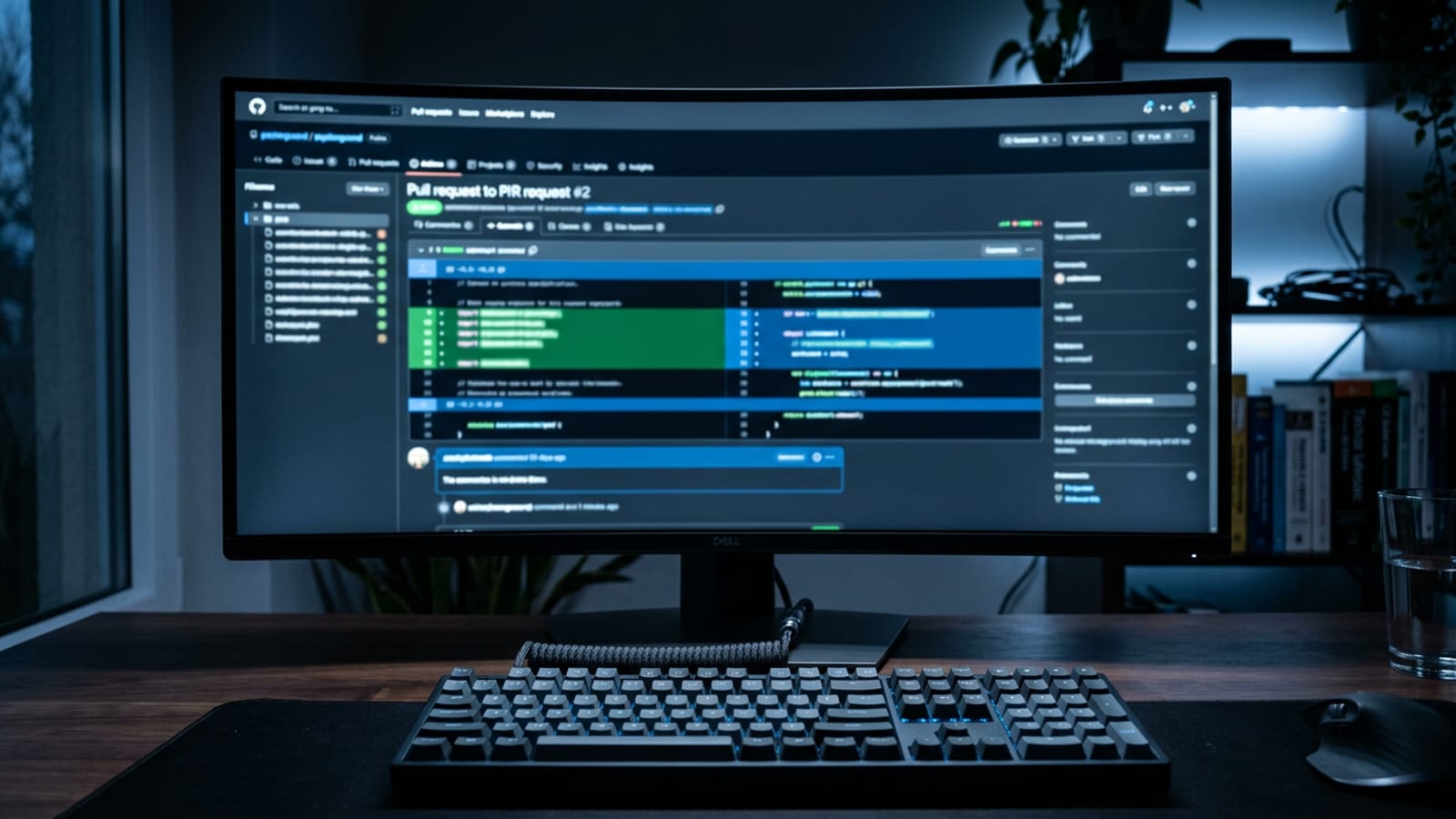
Harness says the acquisition connects agent-driven coding with the agents that already deliver, secure and run software.
The deal at a glance
Key facts
- Status Disclosed
- Acquired, 8 October 2026Harness announced that it has acquired select Augment Code assets.
- What Harness gets Disclosed
- Cosmos, Auggie CLI, Context EnginePlus related technology, and the team behind these products.
- New product Disclosed
- Harness CosmosThe Harness Cosmos Software Factory Agent, available now.
- Platform link Disclosed
- Software Delivery Knowledge GraphConnected with Augment’s Code Context Engine across the full SDLC.
- Harness scale Disclosed
- 1,000+ enterprise customersAnd 1,200+ employees worldwide, per Harness.
- Harness backers Disclosed
- Goldman Sachs, Menlo, IVPAlso Unusual Ventures and Citi Ventures.
- Disclosed
- Stated by a party to the transaction
The numbers behind the deal
Each figure has its own permanent link and a ready-made citation. Journalists, analysts and researchers are welcome to quote them with credit and a link to Acquiry.
Every figure below comes from the parties’ own announcements, or is calculated from them, with the method shown. The dataset holds the same figures with their sources, provenance and permalinks.
- 1,000+Disclosed
Harness enterprise customers
From Harness’s company page, retrieved 9 October 2026.
- 1,200+Disclosed
Harness employees worldwide
From Harness’s company page.
- $570MDisclosed
Total funding raised by Harness
From Harness’s company page.
- Up to 75%Disclosed
Faster releases Harness says customers achieve
Harness also cites cloud cost cuts of up to 60%.
- Up to 10xDisclosed
Efficiency gain cited by Harness
From the company description in the 8 October 2026 release.
- 4Disclosed
Harness agents that take over from Cosmos
Software Delivery, Security Testing, Runtime Protection and Cost Management.
Part I
The deal
What Harness bought, and what Augment Code built.
What was agreed
Harness has acquired Cosmos, the Auggie CLI, the Code Context Engine and related technology from Augment Code, and the team behind them joins Harness.
Harness (opens in a new tab) said it "has acquired select Augment Code assets, including Cosmos and the Auggie CLI products, the Code Context Engine, and related technology". The team behind these products will join Harness. The release describes Harness as the Autonomous SDLC Platform company.
Augment Code’s CEO, Matt McClernan, explained the decision in a post on the company’s blog (opens in a new tab): "We've agreed to sell these select assets because Harness's integrated platform delivers these capabilities to customers more effectively than building them independently." He added that the team is joining Harness "to expand the reach of our developer-focused coding capabilities and to continue working on our original mission: improving software development at scale using AI."
Joining Harness is the next step toward that vision. Together, we can make engineering work increasingly autonomous, with engineers stepping in only where judgment really matters.
A focused asset acquisition
The deal brings over specific products and the people who build them: the Cosmos software factory, the Auggie CLI and the Code Context Engine. Cosmos becomes the Harness Cosmos Software Factory Agent, and Harness says it is available now.

Harness announced the acquisition of select Augment Code assets on 8 October 2026.
What Augment Code built
A programmable software factory that runs a fleet of AI agents from ticket to merge-ready pull request, grounded by a live map of the codebase.
Augment Code (opens in a new tab) is the company behind Cosmos, which Harness describes as "a programmable software factory that runs a fleet of AI agents taking engineering work from idea to merge-ready code". When a requirement is written, a ticket is assigned or a bug is logged, Cosmos agents plan the change, write the code and tests, and open a pull request.
Each agent works in its own isolated VM and brings in an engineer only where judgment is needed, such as approving a design or making the final merge. The agents run as a continuous loop through ticket, code and review: when a reviewer comments or a check flags an issue, an agent fixes the issue on the same pull request.
Teams can fork prebuilt Experts such as Project Builder, PR Author, Deep Reviewer and PR Fixer, tune each one to their own codebase and deploy it organisation-wide. Model routing matches each task to the right model, built-in integrations connect to GitHub, Jira and Slack, and shared memory carries lessons from each review into the next change.
We saw that traditional tools treated code generation as a standalone task, but the real challenge for engineering leaders was orchestrating AI-written code across complex systems at scale - or, what we call software factories.
Augment’s Code Context Engine keeps a live map of the codebase so agent-written changes fit the code already there.
Figure 1
What Harness acquired, and where each piece fits
- CosmosWhat it does (as stated): A fleet of agents taking work from idea to merge-ready codeRole in Harness (Acquiry reading): Front end of the autonomous SDLC
- Code Context EngineWhat it does (as stated): A live map of the codebaseRole in Harness (Acquiry reading): Codebase context for every Harness agent
- Auggie CLIWhat it does (as stated): Augment’s command-line productRole in Harness (Acquiry reading): Developer entry point
- TeamWhat it does (as stated): The people behind these productsRole in Harness (Acquiry reading): Continued development inside Harness
Show method and sourcesHide method
Assets and roles as described in Harness’s release of 8 October 2026. The third column is Acquiry’s reading of the stated roles.
Built for organisation-wide use
Versioning and budget controls let teams run autonomous coding across the entire engineering organisation. What leaves the factory, in Harness’s words, is "a reviewed pull request, ready for Harness agents to test, secure, and deploy".
Part II
The logic
Why code context and delivery context belong together.
Why Harness wants it
Harness is joining codebase understanding with delivery context, so changes are better informed upfront and downstream findings flow back to the agent that wrote the code.
Harness’s Software Delivery Knowledge Graph connects builds, deployments, infrastructure, security and costs. Augment’s Code Context Engine brings the same specificity to the code itself. Together, Harness says, they provide insights across the full SDLC: "what's being built, and what happens to it once it ships".
Before a change is written, Harness Cosmos will pull together the delivery context that should shape it, including test cases, security requirements, past incidents and their remediations. Once the change exists, Harness’s downstream agents will use codebase context to reason about dependencies, risk and the validation it needs. If an issue appears, the agents can loop until resolution.
Harness is placing the agent that writes code and the agents that ship it on one shared context, so each change starts better informed and every fix returns to its source.
Closing the loop
Bansal described the loop directly: "When Harness downstream agents identify an issue while testing, securing, or deploying code, they send it back to Cosmos with the context to fix it." Augment’s blog makes the same case from the other side, calling orchestrating, testing, verifying and deploying AI-generated code reliably across a platform "a bottleneck" that the infrastructure has to evolve to meet.

When a reviewer comments or a check flags an issue, a Cosmos agent fixes it on the same pull request.
A platform built for scale
Harness brings Cosmos to more than 1,000 enterprise customers, alongside agents its customers already credit with faster releases and lower cloud costs.
Harness gives Cosmos an established home. The company says on its company page (opens in a new tab) that it has more than 1,000 enterprise customers, more than 1,200 employees worldwide and $570M in total funding raised. It was launched in San Francisco in 2017.
The release names United Airlines, Morningstar and Choice Hotels among companies that use Harness "to accelerate releases by up to 75%, cut cloud costs by up to 60%, and improve efficiency by up to 10x". Harness is backed by Goldman Sachs, Menlo Ventures, IVP, Unusual Ventures and Citi Ventures.
Harness’s Cost Management Agent controls and optimises cloud and AI costs once Cosmos hands off a change.
Reach across existing teams
Ostrovsky pointed to the size of that installed base: "We've seen software factories transform how companies build software. Now, with Harness, that same transformation is within reach for every team already on the Harness platform — and every team getting started."
Part III
What comes next
Integration, availability and the signals worth tracking.
Integration and what to watch
Harness Cosmos is available now. The next step is connecting it to the policies, permissions and approvals that already govern the Harness platform.
Harness says its integration vision focuses on "connecting Harness Cosmos workflows with the policies, permissions, and approvals that already govern the Harness platform, bringing the same discipline to creating a change that enterprises already expect when releasing one". Harness Cosmos (opens in a new tab) is available now.
Figure 2
From launch to an autonomous SDLC
2017Harness
Harness launched
Co-founded by Jyoti Bansal in San Francisco.
8 Oct 2026Harness and Augment Code
Acquisition announced
Cosmos, Auggie CLI and the Code Context Engine join Harness.
8 Oct 2026Harness
Harness Cosmos available
The Software Factory Agent launches on the platform.
NextHarnessExpected
Platform governance
Cosmos workflows connected to policies, permissions and approvals.
Show method and sourcesHide method
Dates from Harness’s release and company page and from Augment Code’s blog post of 8 October 2026.

Harness is based in San Francisco, where it was launched in 2017.
What to watch
- Adoption. Uptake of Harness Cosmos across Harness’s more than 1,000 enterprise customers, set out in the commercial case.
- Governance. Cosmos workflows running under the platform’s policies, permissions and approvals.
- The feedback loop. Downstream agents sending issues back to Cosmos, as described in Closing the loop.
- Experts. New prebuilt Experts alongside Project Builder, PR Author, Deep Reviewer and PR Fixer.
- Integrations. Cosmos’s connections to GitHub, Jira and Slack inside the Harness platform.
- The Auggie CLI. How Augment’s command-line product develops inside Harness.
Frequently asked questions
Did Harness acquire Augment Code?
Yes. Harness announced on 8 October 2026 that it has acquired select Augment Code assets, including Cosmos, the Auggie CLI, the Code Context Engine and related technology. The team behind these products joins Harness.
What is Cosmos?
Cosmos is a programmable software factory that runs a fleet of AI agents taking engineering work from idea to merge-ready code. It becomes the Harness Cosmos Software Factory Agent.
What is the Code Context Engine?
Augment’s Code Context Engine keeps a live map of the codebase so changes fit the code already there. Harness is connecting it with its Software Delivery Knowledge Graph.
How does Cosmos work with other Harness agents?
Cosmos takes work from idea to merge-ready code. Harness’s Software Delivery, Security Testing, Runtime Protection and Cost Management agents then take the change to production.
Why did Augment Code sell to Harness?
Augment Code’s CEO Matt McClernan wrote that Harness’s integrated platform delivers these capabilities to customers more effectively than building them independently.
Is Harness Cosmos available?
Yes. Harness says Harness Cosmos is available now.
Who uses Harness?
Harness names United Airlines, Morningstar and Choice Hotels among its customers and reports more than 1,000 enterprise customers.
Methodology and limitations
This report draws on Harness’s press release of 8 October 2026 on PR Newswire, Augment Code CEO Matt McClernan’s blog post of 8 October 2026, and the Harness Cosmos product page and Harness company page, retrieved on 9 October 2026. Research cutoff: 9 October 2026, 12:00 UTC.
Figures are labelled by provenance. Every figure in this report is disclosed by Harness or Augment Code. Customer outcome figures are Harness’s own and have not been independently verified.
Statements about future integration and product plans are company forward-looking statements and have not been independently verified.
Independence. Acquiry was not engaged by any party. This is independent research from public sources and is not a solicitation, investment advice, or an offer to buy or sell any security. Acquiry holds no disclosed position in Harness or Augment Code.
Sources
Numbered to match the superscript citations. Every source is a primary company announcement, filing or named publication.
- 1Harness Acquires Augment Code, Advancing the Autonomous SDLC from Idea to Production
Harness via PR Newswire · · Press release
- 2Augment Code's next chapter
Augment Code · · Company announcement
- 3Harness Cosmos Software Factory Agent
Harness · · Product page
- 4About Harness
Harness · · Company website
Cite this report
Boyton, J. (2026, October 7). Harness Acquires Augment Code: Connecting AI Coding to Software Delivery. Acquiry Deal Intelligence. https://www.acquiry.com/deal-intelligence/harness-acquires-augment-code/
@online{boyton2026harnessaugmentcode, author = {Boyton, Joash}, title = {Harness Acquires Augment Code: Connecting AI Coding to Software Delivery}, organization = {Acquiry Deal Intelligence}, date = {2026-10-07}, url = {https://www.acquiry.com/deal-intelligence/harness-acquires-augment-code/} }
Joash Boyton is a technology sector analyst, publisher, and the founder of Acquiry, where he executes buy-side and sell-side M&A mandates across digital assets, software, and gaming technologies. He is the author of peer-reviewed corporate finance literature indexed across institutional repositories including Google Scholar and the ORCID Registry. Joash publishes Acquiry Deal Intelligence to deliver independent, forensic strategic reviews and valuation benchmarks of global technology acquisitions, compiling primary data directly from corporate disclosures, SEC filings, and regulatory ledgers.
Research support: Acquiry Deal Intelligence.