
Summary
Summary
- PSG Equity invests in growth-stage software and tech-enabled services companies, taking majority or minority stakes. It was founded in 2014 and reported more than $28 billion in assets under management in February 2025.
- PSG's own releases use two different words for two different deals. A platform investment is PSG buying into a company. An add-on acquisition is that PSG-backed company buying another business.
- The add-on engine is large. PSG reported 38 add-ons by 2016, more than 100 by 2018, more than 200 by 2019 and more than 275 by 2021. In Europe alone it reports 43 platforms and 98 add-ons.
- PSG is not a permanent owner. It reported 75 realisation events by February 2025, and its releases show exits by sale to strategics, sale to other investors, mergers and a continuation fund.
- For a founder, the choice is concrete: sell a stake to PSG and keep running a platform, or sell outright to a PSG-backed platform and join someone else's group. The releases show founders reinvesting, staying on or stepping back in both cases.
- 65+ / 275+Companies backed and add-ons facilitatedAs of Jan 2021 · Source [25]
- 43 / 98 / 12European platforms, add-ons and realisationsAs of Sep 2026 · Source [9]
- 75Realisation events since 2014As of Feb 2025 · Source [8]
- €4.4bn+Third European fund, final close at hard capAs of Sep 2026 · Source [9]
01 · Research
Why PSG is worth studying
A growth equity firm whose releases explain the platform and add-on model in unusual detail.
Founders who sell a software company usually meet three kinds of buyer. A strategic buyer folds the product into its own. A permanent owner, like the vertical software groups covered in our other studies, buys to hold. A private equity or growth equity firm invests for a period, helps the company grow, and then sells or recapitalises. PSG Equity is a clear example of the third kind, and its own news archive explains how it works in unusual depth.
PSG describes itself as investing in growth-stage software businesses and the founders and management teams that drive them. [1] It says it partners with companies that have reached an inflection point through demonstrated product-market fit, rapid organic growth and customer focus. [1] Its February 2025 fund release says it makes majority and minority investments in growth-stage software and technology-enabled services companies, and that it had grown to more than $28 billion in assets under management since its founding in 2014. [8]
What makes PSG useful to study is the second half of its model. PSG does not only invest in companies. It helps those companies buy other companies. Its own About page names add-on acquisitions as an important component of what it calls the PSG Growth Engine. [1] For a founder thinking about a sale, that creates two very different routes into the same firm: taking PSG money as a platform, or being bought by a company PSG already backs.
The short answer
PSG backs a software company, then uses that company as a base for acquisitions, then exits. Its releases show this pattern repeated across hospitality software, e-signature, email security, automotive software, HR technology, healthcare software and more. The firm itself reported more than 275 add-on acquisitions facilitated by early 2021. [25] For founders, the key question is which side of that model they want to be on.
02 · Research
Two words that matter: platform and add-on
PSG's own fund releases count platform investments and add-on acquisitions separately.
PSG's releases are consistent about vocabulary. When PSG itself puts money into a company, the release usually says the company announces a growth investment, a strategic investment or a majority investment from PSG. When a company PSG already backs buys another business, the release usually describes that company as PSG-backed and calls the deal an acquisition or a combination. The 2025 Corilus release, for example, describes PSG and Rivean Capital completing an acquisition of Corilus, while the MAPAL releases describe PSG-backed MAPAL adding GetCompliant and welcoming Easilys. [40] [12] [13]
PSG's fund releases then count the two things separately. In June 2018 PSG said it had made 27 platform investments and helped its portfolio companies complete more than 100 add-on acquisitions. [4] In September 2019 the numbers were 46 platform investments and more than 200 add-ons. [5] By early 2021 PSG's standard release text said it had backed more than 65 companies and facilitated over 275 add-on acquisitions. [25] [27]
- Platform investmentPSG invests directly, often taking a majority stake, sometimes a minority. The founder or management team usually stays and often keeps equity. Example: PSG's majority investment in MAPAL in September 2019. [10] [14]
- Add-on acquisitionA PSG-backed company buys another business. The seller joins an existing group. Example: MAPAL acquiring Easilys in France in June 2021. [13]
- CombinationTwo businesses of similar weight join forces, sometimes with a second investor. Example: Signaturit and Ivnosys in Spain in April 2021, with PSG as majority shareholder of the combined business. [16]
- RealisationPSG sells, merges or recapitalises. Examples: Hornetsecurity joining Proofpoint in 2025, and Eurazeo acquiring a majority of Mapal from PSG in 2025. [24] [14]
Our reading is that the ratio matters more than the totals. Across PSG's reported figures, add-ons outnumber platforms by roughly four to one. [5] [25] That means a software founder is more likely to meet PSG as the owner behind a buyer than as the buyer itself. It also means a company that takes PSG investment should expect acquisitions to be part of the plan from the start.
03 · Research
From $315 million to more than $28 billion
PSG's fund closes show how quickly the model scaled, and how the firm framed its approach as it grew.
PSG began as Providence Strategic Growth, an affiliate of Providence Equity Partners. A July 2015 news item on PSG's site reports that its first fund closed at $315 million, beating a $250 million target, and that the fund would make equity investments of $10 million to $50 million in both minority and control positions. [2] The same article quotes the firm saying it does not participate in investment bank-led auctions. [2]
Each later fund was larger. Fund II closed at its hard cap with $640 million in December 2016. Its release said PSG had built a dedicated infrastructure to source and execute multiple tuck-in acquisitions and had helped portfolio companies complete 38 add-ons. [3] Fund III closed at its $1.3 billion hard cap in June 2018, and the release said the fund was large enough to invest in a proprietary deal sourcing engine but small enough to avoid competitive deal auctions. [4] Fund IV closed at its $2.0 billion hard cap in September 2019. [5]
| Date | Fund | Size | Activity reported in release |
|---|---|---|---|
| Jul 2015 | First fund | $315m | Equity cheques of $10m to $50m |
| Dec 2016 | Fund II | $640m | 38 add-on acquisitions |
| Jun 2018 | Fund III | $1.3bn | 27 platforms, 100+ add-ons |
| Sep 2019 | Fund IV | $2.0bn | 46 platforms, 200+ add-ons |
| Feb 2021 | Europe I | €1.25bn | European portfolio across 14 countries |
| Sep 2021 | PSG V | $4.5bn | Over 120 employees |
| Feb 2025 | PSG VI and PSG Sequel | $6bn and $2bn | 269 professionals, 75 realisations |
| Sep 2026 | Europe III | €4.4bn+ | 43 European platforms, 98 add-ons, 12 realisations |
Europe became a second engine. PSG's debut European fund closed at a €1.25 billion hard cap in February 2021, when its European portfolio had operations across 14 countries. [6] PSG V closed at its $4.5 billion hard cap in September 2021, bringing commitments across the US and Europe to more than $10 billion. [7] In February 2025 PSG VI closed at $6 billion alongside a $2 billion continuation fund, PSG Sequel. [8] In September 2026 PSG's third European fund closed above €4.4 billion at its hard cap, surpassing a €2.6 billion predecessor that closed in October 2023. [9]
The scale has a practical meaning for founders. A firm with this much capital can write larger cheques, back bigger add-on programmes and hold more companies at once. It also needs to keep deploying, which is why PSG's releases from 2021 onwards show far more deals per year than its early ones. Our count of the archive finds 54 news items in 2021 and 51 in 2022, against 13 in 2018. [54]
04 · Research
What PSG says it brings after the deal
The PSG Growth Engine: sourcing, investment and operations teams, playbooks and an acquisition method.
PSG's About page sets out what happens after an investment. It describes a pre-investment phase in which PSG works with management to align on vision and complete an investment thesis, including growth drivers and new opportunity areas. [1] It then names three levers: organic growth, add-on acquisitions and continuous improvement. [1]
The add-on lever is described in some detail. PSG says it works closely with management teams to formulate an acquisition strategy and to identify target markets, verticals and companies. [1] Once the targets are in place, it says it uses a well-tested methodology for acquiring and then integrating new businesses across go-to-market, finance, talent and technology, to help minimise distraction and maximise growth. [1]
PSG also describes Value Creation Initiatives, which it calls its best practices platform. It says these draw on decades of experience with growth-stage software businesses and the shared experience of its platform companies, and that they are tailored to each company rather than applied as one-size-fits-all. [1] The February 2025 release adds scale: 269 professionals including 160 investment professionals, complemented by 39 Senior Advisors. [8]
“Add-on acquisitions are an important component of the PSG Growth Engine.”
Our interpretation is that for a platform company, PSG is offering an acquisition team on loan. A founder-led company that has never bought anything gets a partner that has, by its own count, facilitated hundreds of acquisitions. [25] That is the main thing a founder is buying when they take PSG money, alongside the capital itself.
05 · Research
Case study: MAPAL, from Madrid platform to pan-European group
A full cycle in five releases: majority investment, four add-ons, then a sale of the majority to Eurazeo.
MAPAL shows the whole cycle. MAPAL was founded in 2008 by Jorge Lurueña, an experienced restaurant operator who saw that restaurant businesses needed specialist tools to automate and optimise management. [10] PSG acquired a majority stake in September 2019. [14] [10]
The add-ons began within three months. In December 2019 MAPAL combined with Flow Hospitality Training, an Edinburgh-based learning management system for hospitality founded in 2009 by David and Ruth Wither. [11] Lurueña led the combined business, while the Withers stepped back from day-to-day roles, reinvested in the combined entity, and David Wither stayed on as a non-executive director. [11]
Three more followed. MAPAL bought US-headquartered Cloud Reputation in 2020 and Stockholm-based GetCompliant in February 2021, which brought digital checklists and compliance tools for multi-site hospitality and retail. [13] [12] In June 2021 it acquired Easilys, a French company founded by three brothers to help catering and restaurant groups manage supply, production, inventory and waste. [13] After that deal MAPAL said its software was expected to power more than 50,000 hospitality sites in 54 countries. [13]
In February 2025 Eurazeo agreed to acquire a majority stake in Mapal from PSG, with PSG retaining a minority stake. [14] By then Mapal, headquartered in Madrid, served more than 2,000 customers across more than 40 countries. [14]
- Founder roleThe founder led the platform throughout the PSG period, and the Flow founders reinvested rather than simply cashing out. [11]
- Add-on logicEach add-on extended either the product (training, compliance, procurement) or the geography (UK, US, Nordics, France). [11] [12] [13]
- Exit routeA sale of the majority to another investor, with PSG keeping a minority stake rather than leaving entirely. [14]
06 · Research
Case study: Signaturit and the e-signature roll-up
A Spanish platform that grew through combinations, then merged into a larger European group.
Signaturit shows a different pattern, built on combinations of similar-sized businesses. PSG's European arm agreed to invest in Signaturit in October 2020. [15] At the time Signaturit, founded in 2013 in Spain, served more than 2,500 customers in more than 40 countries, had about 100 employees, and had completed over 38 million signatures. [15] Its founders kept their shareholding, and co-founder and CEO Juan Zamora continued to lead day-to-day operations. [15]
In April 2021 Signaturit and Ivnosys joined forces to create what the release called a national leader in e-signature and digital transaction management in Spain. [16] PSG backed the combined business as majority shareholder, following its initial investment in Signaturit in December 2020. [16] The founders of both companies expected to keep equity in the joint holding and to lead the combined company together, while CAPZA expected to exit its stake in Ivnosys. [16]
In November 2021 the group added Universign, a French e-signature, e-seal and timestamping provider founded in 2001 with more than 9,000 clients. [17] Universign's founder and CEO Julien Stern joined the senior management team, stayed Head of France and became a shareholder of the combined group. [17]
The exit came through another merger. In July 2025 Namirial, based in Ancona, Italy, and Signaturit agreed to join forces. [18] PSG would exit its investment through its PSG Europe I fund and, alongside Signaturit management, reinvest in the combined platform as a significant minority partner next to Namirial's shareholders. [18] The combined group was described as having about 1,400 employees and about 240,000 customers worldwide, with leading positions in Italy, Spain, France and Germany. [18]
Our reading: Signaturit shows that a PSG exit does not have to mean a founder's story ends. Management rolled into a bigger group, and PSG itself rolled part of its position from one fund into a new minority stake. [18]
07 · Research
Case study: Hornetsecurity, add-ons into a strategic sale
Email security in Hanover: three acquisitions, a second investor, then a sale to Proofpoint.
Hornetsecurity is the clearest example of add-ons building towards a strategic sale. PSG and Verdane invested in the Hanover-based email security company in July 2020, when it had about 200 employees and around 40,000 customers. [19]
Acquisitions came quickly. In January 2021 Hornetsecurity agreed to acquire Altaro, a Malta-headquartered backup software provider with more than 50,000 customers in 121 countries. [20] In March 2021 it acquired Zerospam, an email protection specialist headquartered in Montreal, which the release said extended its reach in North America. [21] TA joined as an investor in September 2022, when Hornetsecurity had more than 400 employees and about 50,000 customers. [22] In March 2024 Vade, an email security company founded in 2009, joined the group. [23]
In May 2025 Hornetsecurity agreed to join Proofpoint. [24] The release said Hornetsecurity had more than $160 million in annual recurring revenue, more than 20 percent year-over-year growth, more than 125,000 customers and more than 12,000 channel partners and managed service providers across more than 120 countries. [24]
| Release | Employees | Customers | Reach |
|---|---|---|---|
| Jul 2020 (PSG invests) | About 200 | About 40,000 | 30+ countries |
| Sep 2022 (TA invests) | 400+ | About 50,000 | 30+ countries |
| Mar 2024 (Vade joins) | Not stated | 50,000+ | 30+ countries, 8,000+ partners |
| May 2025 (Proofpoint) | Not stated | 125,000+ | 120+ countries, 12,000+ partners |
For founders of the acquired companies, being an add-on meant joining a group that ended up in a large strategic buyer's hands within a few years. That is the trade-off with a growth equity add-on: more momentum and resources, and a further change of ownership later.
08 · Research
Two more European platforms: Imaweb and Sympa
Automotive software across borders, and an HR suite built from three countries.
Imaweb is a cross-border automotive software build. PSG invested in Imaweb in May 2019, backing its founders to turn Spain's leading automotive CRM provider into a pan-European player. [25] In January 2021 Imaweb acquired Procar, a German automotive software provider founded in 1998 with around 1,000 dealership and OEM clients, giving it a presence in the DACH region. [25]
Two more deals followed within months. In March 2021 Imaweb acquired Stampyt, which provides AI-driven imaging for used vehicle sales. [26] In April 2021 it acquired Stieger, a Swiss dealer management software company founded in 1982 with around 60 staff in Switzerland, Austria and Slovakia and more than 1,650 customers. [27] In February 2022 Imaweb announced three further acquisitions and an expansion into the Nordics, including hosting and managed services provider Midrange Solutions and Services. [28]
Sympa shows a platform growing by joining peers. PSG invested in the Finnish HR software company in 2020, when it had 140 employees in eight offices in five countries. [29] Co-founder and CEO Keijo Karjalainen continued to lead the company, and existing investor Alfvén & Didrikson kept a minority stake. [29] In February 2021 Sympa joined forces with Amsterdam-based Recruitee, creating a group with over 4,000 customers and over 250 employees, with PSG as majority shareholder. [30] In May 2022 Paris-based Javelo joined, taking the group to more than 6,000 customers and more than 400 employees. [31]
Our interpretation is that PSG's European platforms are often built to cross borders. Imaweb went from Spain into Germany, Switzerland and the Nordics, and Sympa joined Finland, the Netherlands and France. [25] [27] [28] [30] [31] For a founder of a strong single-country software business in Europe, that makes a PSG-backed platform a natural buyer.
09 · Research
When the platform is built from add-ons on day one
Backlight, Foreground and Tiugo show PSG creating groups rather than backing a single company.
Some PSG platforms start as a group. In April 2022 Backlight launched with more than $200 million of investment led by PSG and five media technology acquisitions: ftrack, Celtx, iconik, Wildmoka and Zype. [32] The release said the investment was also meant to support further add-on acquisitions of technology serving the media content lifecycle. [32]
Foreground followed a similar idea in photography. PSG invested in ShootProof, an Atlanta-based platform used by tens of thousands of photographers in 38 countries, in December 2018. [52] In May 2021 Foreground launched as an umbrella company for ShootProof and Collage, which together generated over 40 million site visits a year. [51]
Tiugo Technologies is a third example. In May 2022 PSG expanded Tiugo with the acquisition of CKSource, whose editing platform had more than 1,500 customers including Disney, Salesforce, Elsevier and Zendesk. [50]
For founders, these group launches matter because the buyer may be new. A company like Backlight did not exist under that name until it launched with five acquisitions. [32] Founders approached by a new holding company should ask who funds it. In these cases the answer was PSG.
10 · Research
Add-ons in healthcare software and open finance
DoseSpot and Powens show the add-on model in regulated, data-heavy markets.
The model also works in regulated markets. DoseSpot, an e-prescribing software company founded in 2009 and based in Dedham, Massachusetts, announced a growth investment from PSG in January 2022. [34] In March 2023 it acquired the TreatRx e-prescribing platform from Bravado Health, and in June 2023 it acquired pVerify, which streamlines patient insurance eligibility and benefit verification. [33] [34] By then DoseSpot served more than 300 healthcare clients reaching over 200,000 healthcare professionals. [34]
In open finance, Budget Insight, a French banking and financial data aggregator founded in 2012, raised $35 million from PSG in April 2022, with its management team and Crédit Mutuel Arkéa staying on as shareholders. [35] Operating as Powens, it joined forces with Unnax in April 2023. [36] The combined group served more than 260 customers across Europe and Latin America, covered 12 countries and had more than 180 employees in Paris, Barcelona and Mexico City. [36]
Healthcare software in Europe follows the same path. PSG made a strategic investment in Belgian healthcare software company Corilus in July 2024 alongside Rivean Capital, and in January 2025 PSG and Rivean completed an acquisition of Corilus through a Rivean continuation fund that included capital for organic growth and an acquisition pipeline. [39] [40] In January 2026 Corilus and French healthcare software company Sofia Développement joined forces. [41] The release said Corilus supports around 40,000 healthcare professionals. [41]
11 · Research
What PSG has been backing recently
Hospitality, risk, marinas and carve-outs: the 2024 to 2026 platforms show the range.
PSG's recent platforms span very different markets. In January 2024 Visit Group, a Gothenburg-based hospitality and travel software company founded in 1999, announced more than €100 million in strategic growth investment from PSG. [42] PSG acquired a majority stake, and the release said the founder and management would remain significant owners. [42] The company served more than 2,200 customers in over 25 countries. [42]
Australia features too. In March 2025 PSG invested US$280 million in Protecht, a Sydney-based governance, risk and compliance software company. [43] In April 2025 PSG and 2ndWave Software announced the acquisition of workload automation software JAMS from Fortra, with the related Skybot platform included in the new company. [44] That deal is a carve-out: buying a product from a larger company rather than from its founder.
In June 2026 PSG invested in Dockwa, which describes itself as building the operating system for a $57 billion marina economy. [53] A September 2026 PSG insight article explains part of the thinking: Dockwa's Marine Graph holds 11 years of transaction history across more than 900,000 boats and 76 million nights booked, data generated by Dockwa's own platform rather than licensed. [49]
“Not data the company acquired, but data the business produces by operating.”
Our interpretation is that PSG increasingly asks what proprietary data a vertical software business creates as it runs. Founders preparing for a conversation with PSG, or with a PSG-backed buyer, should be ready to explain what their own platform knows that nobody else does.
12 · Research
How PSG exits
Strategic sales, sponsor sales, mergers, minority sales and a continuation fund.
Because PSG invests from funds, it eventually sells. It reported 75 realisation events by February 2025. [8] Its releases show several routes out.
- Sale to a strategic buyerPayrix, an embedded payments company founded in 2015, was sold to FIS in February 2022. [45] Hornetsecurity agreed to join Proofpoint in May 2025. [24] Versatile Credit was sold to Synchrony in October 2025, two years after PSG's investment. [48]
- Sale to a software buyerPSG completed the sale of Chatmeter to Alchemer in September 2025. [47]
- Sale of a minority stakePSG's minority stake in SevenRooms was sold as part of DoorDash's $1.2 billion acquisition of SevenRooms in June 2025. [46]
- Sale to another investorEurazeo acquired a majority stake in Mapal from PSG in 2025, with PSG keeping a minority stake. [14]
- Merger with rolloverSignaturit merged with Namirial, with PSG and management reinvesting as a significant minority partner. [18]
- Continuation fundPSG Sequel, a $2 billion continuation fund, let PSG keep stakes in six portfolio companies while giving fund investors the choice of staying in or taking liquidity. [8]
For a founder who takes PSG investment and keeps equity, this is the part of the model that matters most. Their remaining stake will most likely be sold, merged or rolled at some point. The releases show that this can be a strong outcome. Hornetsecurity reached more than $160 million of annual recurring revenue before joining Proofpoint. [24] But it is a different promise from a permanent owner's.
13 · Research
What this means for founders
Selling to PSG and selling to a PSG-backed company are different deals. Pick the one that matches your plans.
The most useful lesson from PSG's archive is that one firm creates two very different buyers. A founder who wants growth capital, wants to keep running the company and is comfortable with a later exit is a candidate for a platform investment. A founder who wants to sell outright, or to hand the business to a larger group, is more likely to meet PSG through one of its portfolio companies.
- If PSG invests in youExpect a growth plan with acquisitions in it, an operations team and playbooks, and a future sale or recapitalisation. In the releases reviewed, founders often kept equity and stayed in charge. [15] [29] [42]
- If a PSG-backed company buys youYou join someone else's group. Outcomes in the releases range from becoming a shareholder and regional head (Universign) to stepping back and reinvesting (Flow). [17] [11]
- Ask about the clockAsk which fund owns the buyer and how long it has held it. MAPAL changed majority owner about five and a half years after PSG invested. [10] [14]
- Ask about rolloverSeveral releases describe founders or management reinvesting into the combined group. Rollover can be valuable if the next owner grows the business further. [11] [16] [18]
- Know the cheque sizePSG's first fund wrote $10 million to $50 million cheques. Recent releases show $80 million to $280 million investments, so PSG has moved up-market even as its portfolio companies keep buying smaller businesses. [2] [43]
Our view is that PSG-backed platforms are some of the most active buyers of founder-led software businesses in Europe and North America, and increasingly elsewhere. For a founder who wants competitive tension in a sale, a PSG-backed platform can sit alongside permanent owners and strategic buyers on the same shortlist. Each offers a different future for the company.
14 · Research
What PSG's releases say these buyers value
Recurring customers, cross-border reach, regulated workflows, partner channels and data the product creates.
PSG does not publish a checklist for add-on targets, but its releases describe the businesses it backs and buys in consistent terms. Reading them side by side shows what a PSG platform tends to look for when it buys, and what a founder can prepare before a conversation. The patterns below are our interpretation of those descriptions.
- A large, sticky customer baseReleases lead with customer counts: about 1,000 dealership and OEM clients at Procar, more than 1,650 at Stieger, more than 9,000 at Universign, more than 2,200 at Visit Group. [25] [27] [17] [42]
- A strong home marketMany add-ons are leaders in one country that give the platform a new one. Procar brought the DACH region to Imaweb, GetCompliant brought the Nordics to MAPAL, and Easilys gave MAPAL a base in France to grow into neighbouring countries. [25] [12] [13]
- Workflows tied to regulationE-signature, email security, e-prescribing, insurance eligibility, open banking and governance, risk and compliance all appear repeatedly. These are areas where customers must keep using the software. [16] [19] [33] [34] [36] [43]
- A partner or channel networkHornetsecurity sold through more than 8,000 partners in 2022 and more than 12,000 by 2025. Ivnosys reached customers through an extensive partner network. Distribution is treated as an asset in its own right. [22] [24] [16]
- Product that extends the platformMAPAL added training, compliance and procurement tools. Sympa added recruiting and then performance management. DoseSpot added insurance eligibility to e-prescribing. Each add-on filled a gap in what the platform sold. [11] [12] [13] [30] [31] [34]
- Data the business creates by runningPSG's 2026 insight article singles out proprietary data generated by a company's own operations, citing Dockwa's 11 years of transaction history. [49]
For a founder, the practical step is to describe the business in those same terms before any approach: how many customers, how long they stay, which country or segment the company leads, which rules or workflows keep customers using it, which partners sell it, and what data it holds that a larger group could use. Those are the points PSG-backed buyers put in their own announcements, so they are likely to be the points they test in diligence.
The same preparation helps with other buyers. A permanent owner, a strategic buyer and a growth equity platform will each weigh these facts differently, but all of them will ask. A founder who can answer clearly and with evidence keeps more control over the process and the outcome.
15 · Research
What the releases do not tell us
Prices, returns and integration outcomes are mostly private.
PSG's releases are a record of what PSG chose to announce. Most do not disclose purchase prices, valuations or fund returns, and we do not estimate them. Not every add-on is announced on PSG's own site. Many are announced only by the portfolio company. The reported totals are therefore the best measure of scale, and the case studies are examples rather than a complete list. [25] [9]
The releases also describe intentions at the time of a deal. A statement that founders will remain shareholders or that a combined group will expand is a plan, not a guaranteed result. Where we compared releases over time, as with Hornetsecurity's customer counts or MAPAL's ownership, we used figures stated in PSG's own releases. [19] [24] [14]
Founders weighing PSG or a PSG-backed buyer should treat this study as background, ask the buyer directly about structure, governance and timelines, and take independent advice before signing anything.
Reference
Frequently asked questions
What is the difference between a PSG platform investment and an add-on?
A platform investment is PSG itself investing in a company, usually announced as a growth or strategic investment from PSG. An add-on is an acquisition made by a company PSG already backs, such as MAPAL buying Easilys or Hornetsecurity buying Altaro. PSG's fund releases count the two separately.
Does PSG take majority or minority stakes?
Both. PSG's February 2025 fund release says it makes majority and minority investments in growth-stage software and technology-enabled services companies. Its releases include majority deals such as MAPAL and Visit Group, and minority or co-investor deals such as SevenRooms and funding rounds it led.
Does PSG hold companies forever?
No. PSG is a growth equity firm with fixed-life funds. It reported 75 realisation events by February 2025 and 12 realisation events in Europe by September 2026. It also used a $2 billion continuation fund, PSG Sequel, to keep stakes in six companies longer.
What happens to founders when PSG invests?
In the releases reviewed, founders often keep equity and keep running the company. Signaturit's founders kept their shareholding with the co-founder staying as CEO, and Sympa's co-founder continued to lead day-to-day operations. Outcomes vary by deal.
What happens to founders when a PSG-backed company acquires them?
It varies. Universign's founder joined the combined group's senior team and became a shareholder. Flow Hospitality's founders stepped back from day-to-day roles but reinvested. Ivnosys's founders kept equity and co-led the combined company.
Is PSG active in Australia?
PSG's releases include a US$280 million investment in Sydney-based governance, risk and compliance software company Protecht in March 2025. PSG's offices named in its releases are in the US and Europe.
Dataset
PSG Equity platforms, add-ons, exits and funds, 2015–2026
Dated events used in this study, from PSG Equity's own news archive.
Showing 50 of 50 records
| Date | Year | Company or event | Type | Backed by | Country | Source |
|---|---|---|---|---|---|---|
| 2015-07-14 | 2015 | First fund, $315m | Fund | PSG | United States | Source for 2015-07-14 (opens in a new tab) |
| 2016-12-12 | 2016 | Fund II, $640m | Fund | PSG | United States | Source for 2016-12-12 (opens in a new tab) |
| 2018-06-20 | 2018 | Fund III, $1.3bn | Fund | PSG | United States | Source for 2018-06-20 (opens in a new tab) |
| 2018-12-12 | 2018 | ShootProof | Platform | PSG | United States | Source for 2018-12-12 (opens in a new tab) |
| 2019-09-09 | 2019 | MAPAL | Platform | PSG | Spain | Source for 2019-09-09 (opens in a new tab) |
| 2019-09-11 | 2019 | Fund IV, $2.0bn | Fund | PSG | United States | Source for 2019-09-11 (opens in a new tab) |
| 2019-12-20 | 2019 | Flow Hospitality Training | Add-on | MAPAL | United Kingdom | Source for 2019-12-20 (opens in a new tab) |
| 2020-07-28 | 2020 | Hornetsecurity | Platform | PSG and Verdane | Germany | Source for 2020-07-28 (opens in a new tab) |
| 2020-08-25 | 2020 | Sympa | Platform | PSG | Finland | Source for 2020-08-25 (opens in a new tab) |
| 2020-10-28 | 2020 | Signaturit | Platform | PSG | Spain | Source for 2020-10-28 (opens in a new tab) |
| 2021-01-12 | 2021 | Altaro | Add-on | Hornetsecurity | Malta | Source for 2021-01-12 (opens in a new tab) |
| 2021-01-25 | 2021 | Procar | Add-on | Imaweb | Germany | Source for 2021-01-25 (opens in a new tab) |
| 2021-02-02 | 2021 | Europe I, €1.25bn | Fund | PSG | United Kingdom | Source for 2021-02-02 (opens in a new tab) |
| 2021-02-16 | 2021 | Recruitee | Add-on | Sympa | Netherlands | Source for 2021-02-16 (opens in a new tab) |
| 2021-02-18 | 2021 | GetCompliant | Add-on | MAPAL | Sweden | Source for 2021-02-18 (opens in a new tab) |
| 2021-03-16 | 2021 | Stampyt | Add-on | Imaweb | Not stated in release | Source for 2021-03-16 (opens in a new tab) |
| 2021-03-25 | 2021 | Zerospam | Add-on | Hornetsecurity | Canada | Source for 2021-03-25 (opens in a new tab) |
| 2021-04-07 | 2021 | Stieger | Add-on | Imaweb | Switzerland | Source for 2021-04-07 (opens in a new tab) |
| 2021-04-28 | 2021 | Ivnosys | Add-on | Signaturit | Spain | Source for 2021-04-28 (opens in a new tab) |
| 2021-05-12 | 2021 | Foreground (ShootProof and Collage) | Add-on | ShootProof | Not stated in release | Source for 2021-05-12 (opens in a new tab) |
| 2021-06-03 | 2021 | Easilys | Add-on | MAPAL | France | Source for 2021-06-03 (opens in a new tab) |
| 2021-09-28 | 2021 | PSG V, $4.5bn | Fund | PSG | United States | Source for 2021-09-28 (opens in a new tab) |
| 2021-11-08 | 2021 | Universign | Add-on | Signaturit | France | Source for 2021-11-08 (opens in a new tab) |
| 2022-01-26 | 2022 | DoseSpot | Platform | PSG | United States | Source for 2022-01-26 (opens in a new tab) |
| 2022-02-10 | 2022 | Three acquisitions incl. Midrange Solutions and Services | Add-on | Imaweb | Not stated in release | Source for 2022-02-10 (opens in a new tab) |
| 2022-02-14 | 2022 | Payrix sold to FIS | Exit | PSG | Not stated in release | Source for 2022-02-14 (opens in a new tab) |
| 2022-04-04 | 2022 | Budget Insight (Powens) | Platform | PSG | France | Source for 2022-04-04 (opens in a new tab) |
| 2022-04-12 | 2022 | Backlight launch: ftrack, Celtx, iconik, Wildmoka, Zype | Platform | PSG | Not stated in release | Source for 2022-04-12 (opens in a new tab) |
| 2022-05-16 | 2022 | Javelo | Add-on | Sympa | France | Source for 2022-05-16 (opens in a new tab) |
| 2022-05-17 | 2022 | CKSource | Add-on | Tiugo Technologies | Not stated in release | Source for 2022-05-17 (opens in a new tab) |
| 2022-09-20 | 2022 | Zenchef | Platform | PSG | France | Source for 2022-09-20 (opens in a new tab) |
| 2023-03-28 | 2023 | TreatRx | Add-on | DoseSpot | Not stated in release | Source for 2023-03-28 (opens in a new tab) |
| 2023-04-03 | 2023 | Unnax | Add-on | Powens | Not stated in release | Source for 2023-04-03 (opens in a new tab) |
| 2023-06-07 | 2023 | pVerify | Add-on | DoseSpot | Not stated in release | Source for 2023-06-07 (opens in a new tab) |
| 2024-01-23 | 2024 | Visit Group | Platform | PSG | Sweden | Source for 2024-01-23 (opens in a new tab) |
| 2024-03-05 | 2024 | Vade | Add-on | Hornetsecurity | Not stated in release | Source for 2024-03-05 (opens in a new tab) |
| 2024-07-04 | 2024 | Corilus | Platform | PSG and Rivean Capital | Belgium | Source for 2024-07-04 (opens in a new tab) |
| 2025-02-12 | 2025 | PSG VI $6bn and PSG Sequel $2bn | Fund | PSG | United States | Source for 2025-02-12 (opens in a new tab) |
| 2025-02-28 | 2025 | Mapal majority sold to Eurazeo | Exit | PSG | Spain | Source for 2025-02-28 (opens in a new tab) |
| 2025-03-25 | 2025 | Protecht | Platform | PSG | Australia | Source for 2025-03-25 (opens in a new tab) |
| 2025-04-22 | 2025 | JAMS (carve-out from Fortra) | Platform | PSG and 2ndWave Software | Not stated in release | Source for 2025-04-22 (opens in a new tab) |
| 2025-05-15 | 2025 | Hornetsecurity joins Proofpoint | Exit | PSG | Germany | Source for 2025-05-15 (opens in a new tab) |
| 2025-06-16 | 2025 | SevenRooms minority stake to DoorDash | Exit | PSG | Not stated in release | Source for 2025-06-16 (opens in a new tab) |
| 2025-07-01 | 2025 | Signaturit merges with Namirial | Exit | PSG | Italy (Namirial) | Source for 2025-07-01 (opens in a new tab) |
| 2025-07-15 | 2025 | CoverManager | Add-on | Zenchef | Not stated in release | Source for 2025-07-15 (opens in a new tab) |
| 2025-09-24 | 2025 | Chatmeter sold to Alchemer | Exit | PSG | Not stated in release | Source for 2025-09-24 (opens in a new tab) |
| 2025-10-01 | 2025 | Versatile Credit sold to Synchrony | Exit | PSG | Not stated in release | Source for 2025-10-01 (opens in a new tab) |
| 2026-01-13 | 2026 | Sofia Développement | Add-on | Corilus | France | Source for 2026-01-13 (opens in a new tab) |
| 2026-06-03 | 2026 | Dockwa | Platform | PSG | Not stated in release | Source for 2026-06-03 (opens in a new tab) |
| 2026-09-15 | 2026 | Europe III, €4.4bn+ | Fund | PSG | United Kingdom | Source for 2026-09-15 (opens in a new tab) |
PSG reports more than 275 add-on acquisitions by 2021 and 43 platform investments in Europe alone. This table lists the events discussed in this study, each with a dated PSG release. Purchase prices are mostly not disclosed.
Definitions used in this dataset
- Type: Platform = PSG invests directly. Add-on = a PSG-backed company acquires or combines with another business. Exit = PSG sells, merges or sells down. Fund = a PSG fund close.
- Backed by: the PSG platform behind an add-on. For platforms, exits and funds this is PSG itself.
- Country: where the company is based, as described in the release. Where a release does not say, we write "Not stated in release".
Methodology
Methodology and sources
Research cutoff: 6 October 2026. Figures are as reported by the named source on the date shown. Acquiry has not independently audited company-reported metrics. No company named here commissioned, reviewed or endorsed this research.
- 01About (opens in a new tab)PSG · Accessed 6 Oct 2026 · Company
- 02Providence Strategic Growth Chief Seeks Disruptive Deals (opens in a new tab)PSG · 14 Jul 2015 · Company
- 03Providence Strategic Growth Closes Fund II with $640 Million of Commitments (opens in a new tab)PSG · 12 Dec 2016 · Company
- 04Providence Strategic Growth Closes Fund III With $1.3 Billion of Commitments (opens in a new tab)PSG · 20 Jun 2018 · Company
- 05Providence Strategic Growth Closes Fund IV with $2.0 Billion of LP Commitments (opens in a new tab)PSG · 11 Sep 2019 · Company
- 06PSG Closes Debut European Fund at €1.25 billion Hard Cap (opens in a new tab)PSG · 2 Feb 2021 · Company
- 07PSG Closes Fifth U.S. Flagship Fund at $4.5 Billion (opens in a new tab)PSG · 28 Sep 2021 · Company
- 08PSG Closes Two Funds Totaling $8 Billion (opens in a new tab)PSG · 12 Feb 2025 · Company
- 09PSG Equity Holds Final Close of Third European Fund at Over €4.4 Billion (opens in a new tab)PSG · 15 Sep 2026 · Company
- 10Providence Strategic Growth Invests in MAPAL (opens in a new tab)PSG · 9 Sep 2019 · Company
- 11MAPAL and Flow Hospitality Announce Combination (opens in a new tab)PSG · 20 Dec 2019 · Company
- 12
- 13PSG-Backed MAPAL Group Welcomes Easilys to the Family (opens in a new tab)PSG · 3 Jun 2021 · Company
- 14
- 15Providence Strategic Growth Europe Agrees to Invest in Signaturit (opens in a new tab)PSG · 28 Oct 2020 · Company
- 16
- 17PSG-Backed Signaturit and Ivnosys Join Forces with Universign (opens in a new tab)PSG · 8 Nov 2021 · Company
- 18
- 19Providence Strategic Growth and Verdane Invest in Hornetsecurity (opens in a new tab)PSG · 28 Jul 2020 · Company
- 20Hornetsecurity Agrees to Acquire Software Solutions Provider Altaro (opens in a new tab)PSG · 12 Jan 2021 · Company
- 21Hornetsecurity Acquires Zerospam, Canadian Email Protection Specialists (opens in a new tab)PSG · 25 Mar 2021 · Company
- 22Hornetsecurity Announces Strategic Growth Investment from TA (opens in a new tab)PSG · 6 Sep 2022 · Company
- 23Vade joins Hornetsecurity Group, creating a European cybersecurity leader (opens in a new tab)PSG · 5 Mar 2024 · Company
- 24Hornetsecurity to join Proofpoint, creating a leading global cybersecurity platform (opens in a new tab)PSG · 15 May 2025 · Company
- 25PSG-Backed Imaweb Acquires Procar, Establishes Presence in DACH Region (opens in a new tab)PSG · 25 Jan 2021 · Company
- 26PSG-backed Imaweb Acquires AI-driven Remarketing Software Provider Stampyt (opens in a new tab)PSG · 16 Mar 2021 · Company
- 27PSG-backed Imaweb Acquires Stieger, a Leading Swiss Automotive Software Specialist (opens in a new tab)PSG · 7 Apr 2021 · Company
- 28PSG-Backed Imaweb Expands European Footprint and Adds 3 New Acquisitions (opens in a new tab)PSG · 10 Feb 2022 · Company
- 29Providence Strategic Growth Invests in Sympa (opens in a new tab)PSG · 25 Aug 2020 · Company
- 30Recruitee and Sympa Join Forces to Shape the Future of HR Technology (opens in a new tab)PSG · 16 Feb 2021 · Company
- 31Javelo Joins Forces with Sympa and Recruitee in PSG Equity Backed HR Platform (opens in a new tab)PSG · 16 May 2022 · Company
- 32
- 33DoseSpot Acquires Bravado Health’s ePrescribing Platform TreatRx (opens in a new tab)PSG · 28 Mar 2023 · Company
- 34PSG-Backed DoseSpot and pVerify Join Forces (opens in a new tab)PSG · 7 Jun 2023 · Company
- 35
- 36Powens and Unnax Join Forces to Create a European Open Finance Champion (opens in a new tab)PSG · 3 Apr 2023 · Company
- 37Zenchef Announces an Investment of Over €50 million from PSG Equity (opens in a new tab)PSG · 20 Sep 2022 · Company
- 38
- 39Corilus Announces Strategic Investment from PSG (opens in a new tab)PSG · 4 Jul 2024 · Company
- 40PSG Equity and Rivean Capital complete acquisition of Corilus (opens in a new tab)PSG · 23 Jan 2025 · Company
- 41
- 42
- 43Growth Equity Firm PSG invests US $280 Million in Protecht (opens in a new tab)PSG · 25 Mar 2025 · Company
- 44PSG and 2ndWave Software to Announce Acquisition of JAMS from Fortra (opens in a new tab)PSG · 22 Apr 2025 · Company
- 45PSG and Blue Star Innovation Partners Sell Payrix to FIS (opens in a new tab)PSG · 14 Feb 2022 · Company
- 46PSG Completes Sale of Minority Stake in SevenRooms to DoorDash (opens in a new tab)PSG · 16 Jun 2025 · Company
- 47PSG Completes Sale of Chatmeter to Alchemer (opens in a new tab)PSG · 24 Sep 2025 · Company
- 48PSG Completes Sale of Versatile Credit to Synchrony (opens in a new tab)PSG · 1 Oct 2025 · Company
- 49The Asset Underneath Vertical Software (opens in a new tab)PSG · 30 Sep 2026 · Company
- 50PSG Expands Tiugo Technologies with CKSource Acquisition (opens in a new tab)PSG · 17 May 2022 · Company
- 51
- 52Providence Strategic Growth Invests in ShootProof (opens in a new tab)PSG · 12 Dec 2018 · Company
- 53
- 54News (opens in a new tab)PSG · Accessed 6 Oct 2026 · Company
About the analyst
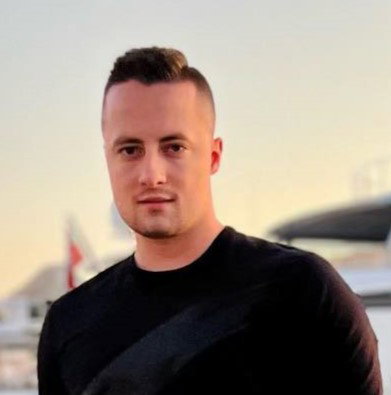
Joash Boyton
Founder and Managing Director, Acquiry · Melbourne, Australia · Global coverage
Joash Boyton is the Founder and Managing Director of Acquiry, a specialist M&A advisory firm focused on the acquisition and sale of businesses. He executes buy-side and sell-side mandates from USD $1M to $500M across technology, SaaS, fintech, payments, gaming, blockchain and emerging verticals, and is not limited to them. Any sector, any market.